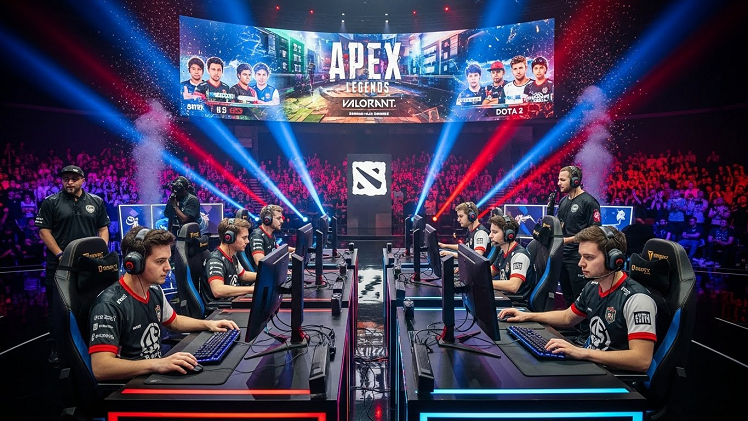
The world of competitive gaming has grown exponentially over the past decade, transforming from niche hobbyist events into a global industry with millions of spectators and players. eSports now blends technology, strategy, and entertainment, attracting audiences comparable to traditional sports. Understanding the trends and innovations driving this growth is essential for both industry participants and enthusiasts looking to stay informed.
Rising Popularity and Global Reach
Competitive gaming has expanded beyond localized tournaments to international stages. Major leagues and global competitions now offer substantial prize pools, sponsorships, and media coverage, making eSports a viable career path for talented players.
- International tournaments: Events like The International and League of Legends World Championship showcase talent from every corner of the globe.
- Growing viewership: Streaming platforms such as Twitch and YouTube Gaming provide access to millions of fans worldwide.
- Professional teams: Organizations are investing in coaching, analytics, and training to optimize player performance.
This global expansion has elevated the credibility and accessibility of competitive gaming, turning it into a mainstream entertainment industry.
Technological Advancements Driving Engagement
Technology is at the heart of eSports, enhancing gameplay, viewer experience, and industry infrastructure. Innovations such as real-time analytics, augmented reality, and AI-driven matchmaking have transformed how players and audiences interact with games. Platforms like SkyHills are leveraging these technologies to create seamless competitive experiences, providing players with tools to monitor performance and connect with wider gaming communities.
Key Technological Trends
- Real-time analytics: Detailed stats allow players to adjust strategies mid-game.
- Enhanced streaming experiences: VR and AR integrations offer immersive spectator experiences.
- AI-assisted training: Machine learning models help players refine mechanics and decision-making.
- Cloud gaming: Enables instant access to high-quality games without extensive hardware requirements.
By adopting these technologies, eSports continues to improve competitive fairness, entertainment value, and audience engagement.
Monetization and Career Opportunities
As eSports matures, monetization models have diversified, opening avenues for professionals and content creators alike. Understanding these opportunities is crucial for anyone seeking to participate or invest in the industry.
| Revenue Stream | Description | Examples |
| Sponsorships | Partnerships with brands for visibility | Hardware, energy drinks, apparel |
| Streaming and content | Ad revenue and subscriptions for online content | Twitch, YouTube, Facebook Gaming |
| Tournament winnings | Prize money earned from competitive events | Major global competitions |
| Merchandise and branding | Fan apparel, collectibles, and digital goods | Team jerseys, in-game skins |
These revenue channels have made professional gaming sustainable, attracting ambitious players and creative entrepreneurs.
Community and Cultural Impact
eSports is not just about competition; it fosters vibrant communities where players and fans share experiences, strategies, and content. The cultural influence of eSports extends into popular media, fashion, and lifestyle, shaping how younger audiences perceive entertainment and social interaction.
- Fan engagement: Online forums, Discord channels, and social media bring global audiences together.
- Collaborative creativity: Players create guides, tutorials, and fan content, enhancing community knowledge.
- Diversity and inclusion: International representation and gender diversity initiatives make gaming more accessible.
The social impact of eSports reinforces its position as a cultural phenomenon, bridging technology, entertainment, and human connection.
Strategic Approaches for New Players
For aspiring players and teams, understanding competitive strategy, mental preparation, and practice routines is essential to succeed in the fast-paced eSports landscape.
- Structured practice schedules: Focus on specific skills, mechanics, and teamwork.
- Mental resilience training: Coping with high-pressure scenarios and online scrutiny.
- Performance analysis: Regularly review gameplay to identify strengths and weaknesses.
- Networking: Connect with mentors, communities, and organizations to gain insights and opportunities.
By combining skill development with strategic planning, newcomers can navigate the competitive scene effectively and sustainably.
The Future of eSports
The trajectory of eSports points toward continued growth, innovation, and mainstream recognition. Integration with emerging technologies, expansion of global tournaments, and diversification of revenue streams suggest a future where competitive gaming is not only a form of entertainment but a significant economic and cultural force.
The industry’s evolution emphasizes the importance of knowledge, adaptability, and engagement, ensuring that players, teams, and fans remain connected in an increasingly dynamic environment. By embracing technological advancements, pursuing professional opportunities, and cultivating community participation, eSports will continue to thrive as both a sport and a lifestyle.
Competitive gaming has proven that passion, skill, and strategy can converge to create experiences that are exciting, profitable, and globally unifying. As the industry evolves, staying informed and adaptable remains the key to success for anyone involved in this fast-moving digital arena.